My July was variable. I had a higher average glucose than I usually do. I'm okay with it. I had a great month with camp, varied activities, varied sleep and food, experiments with donating blood. All worthy pursuits, I guess...
Okay, on with the July numbers.
My average sensor BG was 136 mg/dl.
Standard Deviation was 50.
Average TDD for insulin was 24 units.
Blood Donation Experiment:
I donated blood in early July. I thought that perhaps my BG would be more stable. Studies have shown a connection between iron levels and insulin resistance. I thought that perhaps donating blood would improve my insulin sensitivity and lower my insulin needs. Not this time...
I didn't find that to be true. If anything, I found that it made my glucose levels more variable and unpredictable. I felt that I was more sensitive to carbohydrates. (a caveat: as always, if you have your dosage and correction factors up-ended by a physiological change, it can certainly make your glucose levels less predictable) For me it seemed like it was more than a factor that rocked the boat, it seemed like it actually made my levels less stable all around. I wouldn't discourage anyone from donating blood, but I would say that your results may vary. I plan to do it again, but not to gain any advantages in BG control, just to donate.
Travel & Food Variables:
I went to camp with my kids and ate camp food, left my supplements at home, and battled it out with my glucose meter. I think the absence of my supplements (insulin mimetics) made a difference for a day or two. Once my body got used to the absence I was able to control my BG again. For the first couple days at camp I was averaging about 150 mg/dl. Even with eating less than usual, sometimes skipping meals I was running high-ish. By day three I saw a return to normalcy and felt that I was back on track. I think I can adjust to life without those supplements. I had wondered if my basal and correction factors were dependent on those supplements being in the mix.
At the end of the month I took a quick trip to the Pacific North West. The stress and excitement of travel rattled my nerves enough to show an upward fluctuation in my sugar levels. The whole time I traveled it was a bit off, but there were no significant lows or highs. I guess I'm really a creature of habit and depend on my sleep, daily walks and activity to keep things in check.
Things to keep an eye on:
I have had a few days during
the last month in which I felt very tired and fatigued. My motivation
was very low and I felt socially and physically spent. Sometimes it
lasted up to 2 days, and it seemed more common when I didn't do my AM
walk due to schedule.
For two weeks in the middle of the month I have had very
itchy skin, all over. The skin is not inflamed and does not show a rash.
It just itches like the dickens. At first I thought it was from flea
bites or something, but there is no focal point of the itching, no welts, and no
redness.
The two things above can be related to thyroid function, so it's
still on my radar for possible issues. I've been feeling well otherwise. Although these symptoms have passed, I'm recording it because I want to make sure I keep track of them accurately up till I see my doctor in October. He is taking a conservative stance on thyroid interventions.
Cardiology
I saw my cardiologist toward the end of the month. He didn't have much to tell me, but he's a good listener. He said there was another drug for atrial fibrillation that I might like more than beta-blockers. He said it's like the ideal medication because the side-effects are almost nil and it works well. I don't seem to have any trouble with beta-blockers (well, except maybe the item mentioned in the next paragraph), but it might be interesting to try it and see if my energy is better. My primary doctor has mentioned that the beta blocker might be what is making me feel lethargic periodically.
Additionally, we discussed orthostatic hypotension. In the past several months I have noticed that when I stand up suddenly I get light-headed for about 2 seconds and have to wait for it to pass. I think it is has to do with the beta blocker lowering my blood pressure, which was already on the lower side. He seemed to think it was pretty normal, and didn't think I should worry about. Admittedly I've gotten used to it, and I've never blacked out.
I asked him if he thought I should see an endocrinologist since I have thyroid, diabetic and cardio issues to look after. He said he didn't think it was necessary. My primary care doctor seems to be doing all the things that are needed. At least, I asked. So far, I've gone for 12 years without seeing a legit endo. My primary care doctor (an internist) has been willing to work with me and go in the direction that I'm interested in. It seems to work well for me because he trusts my knowledge and interest in getting good glucose control.
Showing posts with label Type 1. Show all posts
Showing posts with label Type 1. Show all posts
Tuesday, August 14, 2012

Wednesday, June 6, 2012
Sheepishly I'm a huge fan... of walking.
I can be pretty stubborn.
Something that I've been stubbornly wrong about it that walking is legitimate "exercise". I've always thought it wasn't strenuous enough or cardio enough to make a real fitness difference. Even with all the recommendations from "authorities" to walk more, I had my own theories about it. I thought that encouraging walking was just a "baby-step" to help unfit people get closer to being active. Maybe the thinking was if you could get people to walk more, they might really exercise someday.
Well, through a circuitous route I've landed myself in the "walking is better than" running, or cycling, or jogging, or _____________ camp. When I take a brisk walk, I find that my insulin kicks in and works better, faster. If it can be seen on a CGMS I'm guessing the same things are happening in everyone that walks. For me, seeing the numbers at work has been very eye-opening.
What does walking have that other forms of activity might not?
It's low-impact. You aren't likely to develop injuries from repetitive actions that your body isn't ready for. Since you walk your whole life, it's the most natural way for you to get moving. (One summer I injured my achilles tendon from doing lots of dog-walking in flip-flops, but that was unusually foolhardy.)
It's accessible. You can walk in any clothing you have on (caution with flip-flops recommended). You can walk wherever you are. You can walk with people who don't normally "exercise". The barriers to getting it done are very few.
It's easy, and the heart rate is spot on. How many times have you done a serious run or bike ride and found yourself exercising at a level that makes you feel lousy and sore, and not look forward to doing it again? For me, if I exercise at a heart rate of over 155 bpm, I'm officially working too hard. I find it very hard to dial myself back to that level when I run or cycle. When I walk at a fast pace I don't think it's possible to breech the threshold into unhealthy exercise. We never return from a walk and think "Wow, I'm super exhausted!" From talking to others, I have found that most people tend to exercise above their target heart rate zone, and often are reluctant to get out there for another workout, because, frankly, it was uncomfortable. For this reason many athletes use heart rate monitors to keep themselves in check and keep from working at a rate that is too high. For me walking is always in the low end of the target heart rate window, and I don't need a heart rate monitor to tell me how fast to walk.
It reduces stress instead of causing it.
Excessive or overly strenuous exercise can cause you negative stress that can oftentimes be worse for your body that better. Cortisol (stress hormone) release from strenuous exercise is conter-productive to most people's fitness goals. Walking has very little risk of working against you this way.
Conditioning.
Contrary to what I had previously thought, walking regularly this season has improved my readiness for other activities. Last summer when I began stand up paddling I found that I could only go out for 15-20 minutes before my legs got too shaky to keep going. This year, on my first day out I was able to go out three different times for about an hour without feeling fatigue in my legs. I think it has a lot to do with the regular activity throughout the winter that prepared my legs for long periods of balance work. That was unexpected.
I'm not saying that everyone should stop doing the exercise that they find stimulating and fun, but that for baseline activity walking is safe, easy, accessible and useful. I began exercising much more frequently since I moved walking onto my exercise menu. If I could cycle, rock climb, cross-country ski, stand up paddle, hike, and kayak everyday I would be ecstatic. Until I retire and live in such a paradise, going for one or two 20 minute walks a day has been incredibly helpful in increasing my insulin sensitivity and correcting BG that is headed out of range.
Something that I've been stubbornly wrong about it that walking is legitimate "exercise". I've always thought it wasn't strenuous enough or cardio enough to make a real fitness difference. Even with all the recommendations from "authorities" to walk more, I had my own theories about it. I thought that encouraging walking was just a "baby-step" to help unfit people get closer to being active. Maybe the thinking was if you could get people to walk more, they might really exercise someday.
Well, through a circuitous route I've landed myself in the "walking is better than" running, or cycling, or jogging, or _____________ camp. When I take a brisk walk, I find that my insulin kicks in and works better, faster. If it can be seen on a CGMS I'm guessing the same things are happening in everyone that walks. For me, seeing the numbers at work has been very eye-opening.
What does walking have that other forms of activity might not?
It's low-impact. You aren't likely to develop injuries from repetitive actions that your body isn't ready for. Since you walk your whole life, it's the most natural way for you to get moving. (One summer I injured my achilles tendon from doing lots of dog-walking in flip-flops, but that was unusually foolhardy.)
It's accessible. You can walk in any clothing you have on (caution with flip-flops recommended). You can walk wherever you are. You can walk with people who don't normally "exercise". The barriers to getting it done are very few.
It's easy, and the heart rate is spot on. How many times have you done a serious run or bike ride and found yourself exercising at a level that makes you feel lousy and sore, and not look forward to doing it again? For me, if I exercise at a heart rate of over 155 bpm, I'm officially working too hard. I find it very hard to dial myself back to that level when I run or cycle. When I walk at a fast pace I don't think it's possible to breech the threshold into unhealthy exercise. We never return from a walk and think "Wow, I'm super exhausted!" From talking to others, I have found that most people tend to exercise above their target heart rate zone, and often are reluctant to get out there for another workout, because, frankly, it was uncomfortable. For this reason many athletes use heart rate monitors to keep themselves in check and keep from working at a rate that is too high. For me walking is always in the low end of the target heart rate window, and I don't need a heart rate monitor to tell me how fast to walk.
It reduces stress instead of causing it.
Excessive or overly strenuous exercise can cause you negative stress that can oftentimes be worse for your body that better. Cortisol (stress hormone) release from strenuous exercise is conter-productive to most people's fitness goals. Walking has very little risk of working against you this way.
Conditioning.
Contrary to what I had previously thought, walking regularly this season has improved my readiness for other activities. Last summer when I began stand up paddling I found that I could only go out for 15-20 minutes before my legs got too shaky to keep going. This year, on my first day out I was able to go out three different times for about an hour without feeling fatigue in my legs. I think it has a lot to do with the regular activity throughout the winter that prepared my legs for long periods of balance work. That was unexpected.
I'm not saying that everyone should stop doing the exercise that they find stimulating and fun, but that for baseline activity walking is safe, easy, accessible and useful. I began exercising much more frequently since I moved walking onto my exercise menu. If I could cycle, rock climb, cross-country ski, stand up paddle, hike, and kayak everyday I would be ecstatic. Until I retire and live in such a paradise, going for one or two 20 minute walks a day has been incredibly helpful in increasing my insulin sensitivity and correcting BG that is headed out of range.
Sunday, June 3, 2012
High intensity muscle work, a new tricky project...
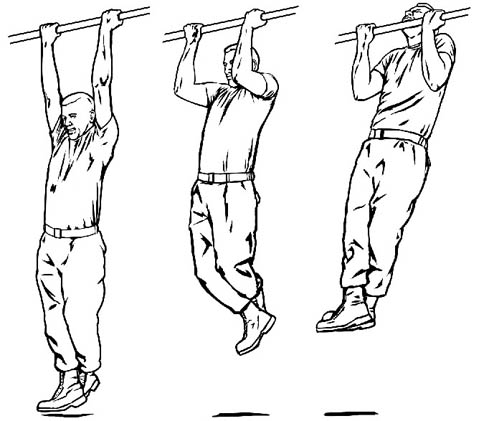
Yesterday, I took a unit of insulin before working out and then had dinner, and saw it rise to 170 mg/dl before I took a walk and another correction and it began to descend.

In the end, I spent the 7pm-midnight window out of range, and a correction at about 9:30pm brought things back to normal overnight. I looks like I needed about 1.5 more units somewhere in the mix. The caveat... I'm not sure I would want to bolus much more in this situation because my wake-up BG was 50-60 mg/dl. I think the exercise impacted my overnight basal. There are surely a few moving parts here.
I may try working out earlier in the day so that I can isolate the impact and get it straightened out before it gets tangled in meal and bedtime factors. It's a bit tricky because the AM isn't probably the best time to do strength training because of the dawn phenomenon, but the pre-dinner window is also less than perfect. Well, just until I get it sorted out... and I will.
Monday, May 28, 2012
My Symilin/ Insulin Routine
So, I've been using Symilin alongside my low-carb way of eating for over a month now and I think I have seen some significant improvements in my glucose control. It's taken a bit of experimentation to figure out what works best, but I had some good info to work from as a starting point.
Timing
I take my Symilin dose between 0-10 minutes before sitting down to eat. Once or twice I took it 20 minutes before eating and after a few bites the "satiety effect" kicked in and I didn't feel like eating as much as I had planned (another reason to bolus after the meal).When I take it close to a meal, I have about 15-20 minutes of serious scarfing before I feel full. Sometimes I don't even notice the satiety effect, but I just eat what I normally do and I'm done.
Food Consistency
It is helpful to eat roughly the same amount of protein and carbohydrate in my meals. I'm not even sure exactly how it measures, but I know what it looks like. For most meals I eat 4-6 oz. of protein and some green veggies or salad. If I eat a meal that is slightly different than this, I just use the same amount and plan to correct if needed. When I'm off, the surplus is usually corrected by an evening walk or a small correction 4 hours post meal. A few times I have used a larger bolus for a meal that seemed larger I have ended up getting lows post-meal. When I have had a more active day or am running lowish all day, I will bolus even less.
Insulin Dose Consistency/ Timing
For this average amount of food, I take 1.8 units of Novolog and spread it out over 60-90 minutes with a square bolus. I change the timing post-meal depending on what my starting BG was. If I start a meal over 100 mg/dl I will take it a bit sooner, sometimes even right after a meal. But, if I start a meal at 70-80 mg/dl I give the food plenty of time to start to bring my glucose up and then take the bolus. This would normally be about an hour post-meal.
Taking Symilin After a Meal
A handful of times I have eaten a meal without taking Symilin (because it wasn't with me at the moment) and I have taken it post meal. I didn't notice any difference. I think the low-carb meals are already slow to impact glucose, so there seems to be some wiggle room there.
Symilin Lows
I have read about people having lows that are hard to correct when using Symilin. The reason they are uniquely tricky is that when your digestion is slowed down, it can be hard to get glucose to be quickly absorbed when correcting a low. This knowledge made me very cautious about my insulin dosages while using Symilin. During the first 2-3 weeks using it I was running my BGs higher than usual out of caution. Over time, I have found that my modest doses of insulin do not cause extreme drops, with or without Symilin. The lows I have had in the 50-60 mg/dl range have been easily corrected with 1-2 glucose tablets. The sugar was absorbed normally, and I saw improvement quickly. I think that a low-carb way of eating helps to avoid some of the risks of difficult hypos because the boluses are kept small.
The results have been good for me. I have had rather flat post-meal numbers and I have been able to reduce my total daily insulin. I'm using about 10-20% less insulin.
Timing
I take my Symilin dose between 0-10 minutes before sitting down to eat. Once or twice I took it 20 minutes before eating and after a few bites the "satiety effect" kicked in and I didn't feel like eating as much as I had planned (another reason to bolus after the meal).When I take it close to a meal, I have about 15-20 minutes of serious scarfing before I feel full. Sometimes I don't even notice the satiety effect, but I just eat what I normally do and I'm done.
Food Consistency
It is helpful to eat roughly the same amount of protein and carbohydrate in my meals. I'm not even sure exactly how it measures, but I know what it looks like. For most meals I eat 4-6 oz. of protein and some green veggies or salad. If I eat a meal that is slightly different than this, I just use the same amount and plan to correct if needed. When I'm off, the surplus is usually corrected by an evening walk or a small correction 4 hours post meal. A few times I have used a larger bolus for a meal that seemed larger I have ended up getting lows post-meal. When I have had a more active day or am running lowish all day, I will bolus even less.
Insulin Dose Consistency/ Timing
For this average amount of food, I take 1.8 units of Novolog and spread it out over 60-90 minutes with a square bolus. I change the timing post-meal depending on what my starting BG was. If I start a meal over 100 mg/dl I will take it a bit sooner, sometimes even right after a meal. But, if I start a meal at 70-80 mg/dl I give the food plenty of time to start to bring my glucose up and then take the bolus. This would normally be about an hour post-meal.
Taking Symilin After a Meal
A handful of times I have eaten a meal without taking Symilin (because it wasn't with me at the moment) and I have taken it post meal. I didn't notice any difference. I think the low-carb meals are already slow to impact glucose, so there seems to be some wiggle room there.
Symilin Lows
I have read about people having lows that are hard to correct when using Symilin. The reason they are uniquely tricky is that when your digestion is slowed down, it can be hard to get glucose to be quickly absorbed when correcting a low. This knowledge made me very cautious about my insulin dosages while using Symilin. During the first 2-3 weeks using it I was running my BGs higher than usual out of caution. Over time, I have found that my modest doses of insulin do not cause extreme drops, with or without Symilin. The lows I have had in the 50-60 mg/dl range have been easily corrected with 1-2 glucose tablets. The sugar was absorbed normally, and I saw improvement quickly. I think that a low-carb way of eating helps to avoid some of the risks of difficult hypos because the boluses are kept small.
The results have been good for me. I have had rather flat post-meal numbers and I have been able to reduce my total daily insulin. I'm using about 10-20% less insulin.
Subscribe to:
Posts (Atom)