Wednesday, June 27, 2012

Negative for autoantibodies AND glasses this year...

They eventually learned how annoying dialated eyes can be.
 After the ordeal of getting the kids blood drawn in May, we were looking forward to finding out the results. It was supposed to take 4-6 weeks, and I noticed that we were pushing that limit this week.

Today we received the results from the Diabetes Trialnet and they were negative for all three kids. It helps that 1/2 of their genes are from my wife who has very few genetic health risks, and no autoimmune diseases that we are aware of. I'm like the clearinghouse of genetic health stuff in my family. We will repeat the test yearly.

We are glad. We can always use the extra time being open an positive about how I manage my glucose. When I interviewed them about diabetes in the winter they forgot that insulin treats high blood sugar and said that if your BG is high you might have to "rest it out". I guess that's how chill I am, I just rest it out (wink). Since then I've been more explicit about how I control my sugar levels. Exercising has been an obvious part of that lately.

As an added bonus, we had their eyes dialated and checked, at the optometrist. The younger two don't need any corrective lenses, yet. I've had a need for glasses since a young age. In fact, I managed to get bi-focals in 3rd grade. As a photography teacher, I can tell you, there are quite a few teens walking around with blurry vision.

Anyway, I'm having a great summer with these three and love the extra time I am able to spend with them during breaks from school. They are really fun, smart, and entertaining. Ellie is taking a trip to the Philippines to visit my parents in about 2 weeks, then starting high school in August. Simon is going to camp for 12 days with his cousins. We are trying to have as much fun together as we can before we end up all over the place.

Tuesday, June 26, 2012

Using exercise against itself

Today I got away with a few things that I normally wouldn't. It was like a triple cheat, triple win. And, I plan to keep doing it whenever I can get away with it.
  1. Normally, when I go for a walk in the AM I can skip my 1/2 unit coffee bolus. But, even then, I might dip a little low upon returning from my walk, so I have to eat a glucose tablet or have breakfast with some berries, depending on how low I go. 
  2. If I do a strength workout in the evening I normally see my glucose rise and have had to start taking a unit of insulin to keep it steady. 
  3. My usual breakfast is low-carb, normally eggs and greens. The morning is the time when I have the least leeway with starchy carbs. During the school year I don't really even eat anything till after the dawn phenomenon is over, and it's usually around 11am when I "break the fast".
So, those are my quirky limitations that I have worked out for myself through experimentation. Here's how it worked out today, a symphony of quirks with a pretty good outcome.

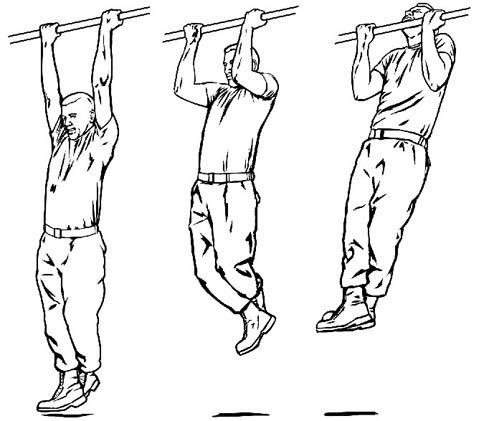
Today, I woke up with normal BG at 94 mg/dl. I had my coffee without a bolus, and then went for a walk. When I got back from my 20 min. walk, my BG was headed toward lowish (70 mg/dl). I did a strength training routine (pushup, pullup, plank, overhead press) which redirected my trend towards normal/steady (104 mg/dl). Both of those activities left me feeling pretty hungry, so I made breakfast. I pondered whether the extra insulin sensitivity from the exercise might allow me to get away with some starch at breakfast. I microwaved a large new potato and then crushed it in the skillet, and drizzled it with coconut oil, and fried it till crispy. I added that to my eggs and greens. It was fantastic, I love potatoes, but rarely eat them because of the fast BG rise that I normally get from them. I used Symilin with the meal, and when I saw my BG starting to go up (at about an hour) I took insulin to cover the meal. It worked out rather well.

I got the idea to combine the walk with the strength training because I had heard that circuit training was sometimes a glucose stabilizing way to exercise because it combined aerobic with anaerobic work and resulted in a balance of BG lowering and raising activities.

I only do strength work about twice a week, so this won't be a daily routine, but it's good to know it works. I wouldn't want to get sick of exercising or occasional potatoes...

Tuesday, June 19, 2012

T1D Exchange Finds People with Type 1 Diabetes Don’t Meet Targets

I just read Jessica Apple's analysis of the problem with T1 diabetics not being successful in achieving the health that doctors and the ADA desire for them. It hit a chord for me, because I was one of those people "doing everything right" but not getting the prescribed results.

Basically, the  study found that a large proportion of Type 1 diabetics are gaining weight and not meeting recommended A1C levels. The question is, will the ADA change their recommendations on diet and insulin? Personally, with kids, I think a higher A1C might be more appropriate, but with adults it seems that if healthy A1C goals can't be achieved, we have to look to the diet in a more aggressive way. If you are keeping your A1Cs in line, not gaining weight, and maintaining your health, then you are doing well.

I added my 2 cents in the comments, but, since it sums up some of my experiences, frustrations and core beliefs about diabetes. I'm going to repeat it here.
Here’s the thing… if you have a kidney problem or a gall bladder removed you have a list of foods that you have to avoid to stay healthy. No one really argues with that too much. But, for some reason we have been reticent to tell PWDs (people with serious metabolic issues) that anything is off limits. Let’s get real. Let’s not treat PWDs like little children who might throw a tantrum and give them the info that they really need to be successful. I think, with more success, the issue of depression linked with diabetes could be moderated. Poor control, weight gain, the threat of complications and a constant sense of failure… that’s depressing.
I tried to meet the recommended healthy A1C requirements for years while cooking from scratch, eating all whole foods, but never sorting out the fast acting carbs part of the equation. I never got there. I gained weight, became insulin resistant, and had poor control. Once I started limiting which foods I ate, I was able to make progress in my health goals. It was wicked simple.
The fact is, anyone who uses/creates too much insulin, PWD or not, will have negative impacts in their health. Hyperinsulinemia is a real problem. The ADA needs to encourage people to use less insulin, and therefore eat less foods that require lots of insulin. Good control is within everyone’s reach, but it’s like we/they are afraid to tell the D-community that they can’t have anything they want, all the time. The mantra that we can eat just like everyone else is silly, especially when you see that the rest of the western world (everyone else) is having it’s own insulin related metabolic problems.

Saturday, June 16, 2012

I'll take a flashy new pump with a Dexcom on the side.


After hearing that the tSlim pump would soon be available in the US market, I decided to go to their site and see what they had going on. I knew that they had updated their technology to a level that compares with other devices that we use, like iPhones, and the like. After looking over everything they had, I was pretty interested in their pump. The main things that I liked were the full-color screen, the type of info that is displayed on the home screen, and being rechargeable. But, the thing that most caught my attention was that they are working with Dexcom for sensor integration. I hope that they mean that the pump will act as a Dexcom receiver. That would be excellent.

I requested info from Tandem about their pump and also asked how soon the CGMS integration might be available. I received a reply (from a human being, no less...) and they told me that the work was, indeed, underway, and that it would be available as soon as possible. I know in FDA years that's probably still a while.

If Medtronic doesn't update too much during that time, I'll probably be jumping over to a more colorful display, well thought out design, and sensors that last longer and hurt less.

Meanwhile Medtronic is also working on patch pumps, and they already have a new sensor (also longer lasting, and less painful) going through FDA approval. If you like patch pumps, Omnipod is pretty well received and they are also rumored to be working on CGMS integration with Dexcom. I might like patch pumps, but my favorite infusion sites are places (buttocks!) where I can't discreetly wear a pod.

Anyway, I think it will be a pretty interesting year for some developments in the technology and I hope that the transition to new stuff goes smoothly for insurance, etc. You can only hope.

Thursday, June 7, 2012

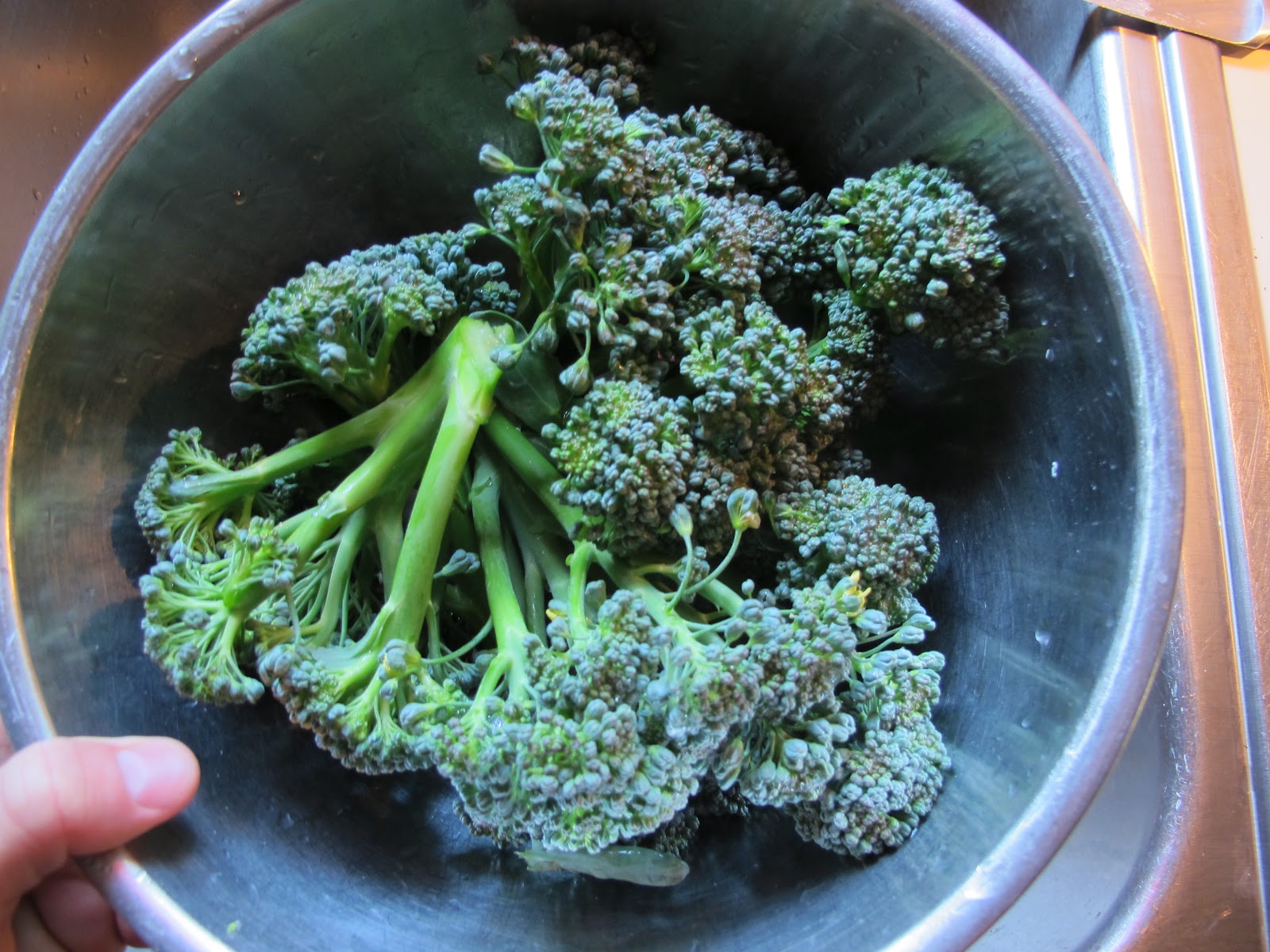
Broccoli breakfast


Eating from the garden is probably one of my favorite things in the world.  Some coconut oil and red pepper flakes just made the broccoli shine a bit more. When I eat breakfast, this is how I like to do it.


Wednesday, June 6, 2012

Sheepishly I'm a huge fan... of walking.

I can be pretty stubborn.

Something that I've been stubbornly wrong about it that walking is legitimate "exercise". I've always thought it wasn't strenuous enough or cardio enough to make a real fitness difference. Even with all the recommendations from "authorities" to walk more, I had my own theories about it. I thought that encouraging walking was just a "baby-step" to help unfit people get closer to being active. Maybe the thinking was if you could get people to walk more, they might really exercise someday.

Well, through a circuitous route I've landed myself in the "walking is better than" running, or cycling, or jogging, or _____________ camp.  When I take a brisk walk, I find that my insulin kicks in and works better, faster. If it can be seen on a CGMS I'm guessing the same things are happening in everyone that walks. For me, seeing the numbers at work has been very eye-opening.

What does walking have that other forms of activity might not?

It's low-impact. You aren't likely to develop injuries from repetitive actions that your body isn't ready for. Since you walk your whole life, it's the most natural way for you to get moving. (One summer I injured my achilles tendon from doing lots of dog-walking in flip-flops, but that was unusually foolhardy.)

It's accessible. You can walk in any clothing you have on (caution with flip-flops recommended). You can walk wherever you are. You can walk with people who don't normally "exercise". The barriers to getting it done are very few.

It's easy, and the heart rate is spot on. How many times have you done a serious run or bike ride and found yourself exercising at a level that makes you feel lousy and sore, and not look forward to doing it again? For me, if I exercise at a heart rate of over 155 bpm, I'm officially working too hard. I find it very hard to dial myself back to that level when I run or cycle. When I walk at a fast pace I don't think it's possible to breech the threshold into unhealthy exercise. We never return from a walk and think "Wow, I'm super exhausted!" From talking to others, I have found that most people tend to exercise above their target heart rate zone, and often are reluctant to get out there for another workout, because, frankly, it was uncomfortable. For this reason many athletes use heart rate monitors to keep themselves in check and keep from working at a rate that is too high. For me walking is always in the low end of the target heart rate window, and I don't need a heart rate monitor to tell me how fast to walk.

It reduces stress instead of causing it.
Excessive or overly strenuous exercise can cause you negative stress that can oftentimes be worse for your body that better. Cortisol (stress hormone) release from strenuous exercise is conter-productive to most people's fitness goals. Walking has very little risk of working against you this way.

Conditioning. 
Contrary to what I had previously thought, walking regularly this season has improved my readiness for other activities. Last summer when I began stand up paddling I found that I could only go out for 15-20 minutes before my legs got too shaky to keep going. This year, on my first day out I was able to go out three different times for about an hour without feeling fatigue in my legs. I think it has a lot to do with the regular activity throughout the winter that prepared my legs for long periods of balance work. That was unexpected. 

I'm not saying that everyone should stop doing the exercise that they find stimulating and fun, but that for baseline activity walking is safe, easy, accessible and useful. I began exercising much more frequently since I moved walking onto my exercise menu. If I could cycle, rock climb, cross-country ski, stand up paddle, hike, and kayak everyday I would be ecstatic. Until I retire and live in such a paradise, going for one or two 20 minute walks a day has been incredibly helpful in increasing my insulin sensitivity and correcting BG that is headed out of range.

Sunday, June 3, 2012

High intensity muscle work, a new tricky project...

I've been doing some sporadic strength training, but the frequency has been spotty because the effect on BG has been hard to predict and balance. The first time I did a 30 min. workout before dinner (a couple months ago) I ended up with my BG at 300 after dinner. Geesh, talk about counter-intuitive results...

Yesterday, I took a unit of insulin before working out and then had dinner, and saw it rise to 170 mg/dl before I took a walk and another correction and it began to descend.

I also threw in another variable which was that I had a glass of milk with dinner, which is usually "off my list". I understand that the carbs and other parts of the milk might be useful post-workout to help with recovery and muscle building. It's likely that I didn't bolus enough for the milk and the meal together. I was shy on the bolus because of the insulin sensitivity that often comes after exercise. I normally think of a glass of milk as 12 grams of carb, which is about what I usually eat for my whole meal. I only bolused for 15 grams.

In the end, I spent the 7pm-midnight window out of range, and a correction at about 9:30pm brought things back to normal overnight. I looks like I needed about 1.5 more units somewhere in the mix. The caveat... I'm not sure I would want to bolus much more in this situation because my wake-up BG was 50-60 mg/dl. I think the exercise impacted my overnight basal. There are surely a few moving parts here.

I may try working out earlier in the day so that I can isolate the impact and get it straightened out before it gets tangled in meal and bedtime factors. It's a bit tricky because the AM isn't probably the best time to do strength training because of the dawn phenomenon, but the pre-dinner window is also less than perfect. Well, just until I get it sorted out... and I will.